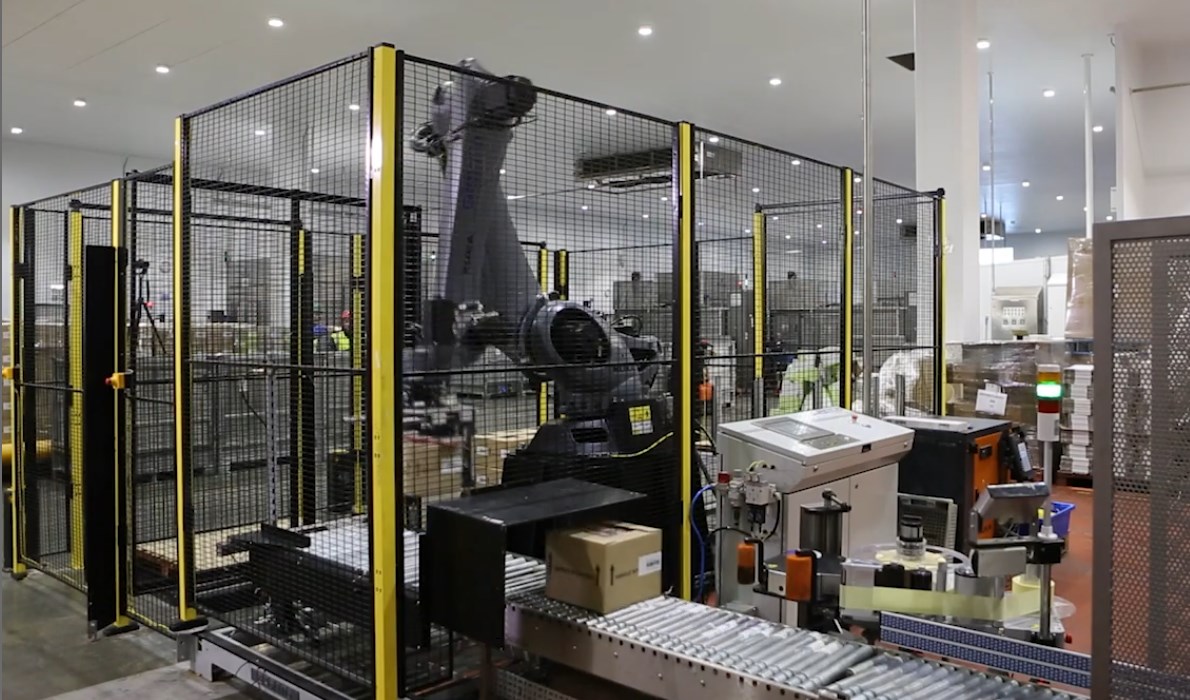
End-of-line operations are often where production efficiency is won or lost. As demand increases and product mixes become more varied, palletising — the final step before goods leave the factory — is under greater pressure to perform. Many businesses turn to automation to solve these challenges, but introducing a palletising system needs to be well executed for optimal success.
Even well-designed systems can run into issues if they’re not properly specified, integrated, or maintained. Understanding these common pitfalls — and the best ways to address them — is essential for anyone planning or operating an automated palletising solution.
1. Product Inconsistency and Packaging Variation
The problem:
Inconsistent packaging is one of the most common hurdles in palletising. Boxes might vary slightly in size, shrink-wrapped packs can deform, and flexible bags may not stack uniformly. These small differences can lead to misaligned stacks, unstable pallets, and stoppages.
The solution:
Automated palletising systems overcome this through specialist gripper designs tailored to your specific product range, offering a wide selection of options from standard vacuum grippers through to specialist underneath grippers. Easy programming software and software-defined pallet patterns make changeovers between SKUs fast and reliable — without needing mechanical adjustments.
2. Limited Floor Space
The problem:
Space at the end of the line is often tight, and traditional palletisers can be bulky. Many older systems were designed for large, open areas and can be difficult to retrofit into existing facilities.
The solution:
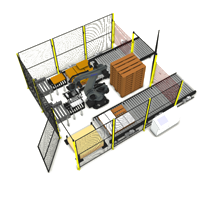
Compact and modular designs have transformed what’s possible. Some systems are extremely compact — for example, the Granta cobot palletiser has a footprint comparable to that of a smart car! Pre-installation simulation ensures the system fits the available space before equipment ever arrives on site.
3. Integration and Communication Issues
The problem:
A palletiser must coordinate perfectly with upstream and downstream equipment — case erectors, labellers, wrappers, and conveyors. If timing or control signals aren’t properly synchronised, the result can be jams, product gaps, or system downtime.
The solution:
Successful integration begins with clear communication between equipment suppliers and the engineering team. Choosing experienced companies that have robust, easy‑to‑use software solutions and strong integration capabilities across a wide range of systems is essential for long‑term success.
4. Downtime, Maintenance, and Operator Confidence
The problem:
A system that frequently stops or requires engineer intervention quickly erodes productivity. Downtime is often linked not just to hardware faults, but to operator uncertainty or lack of visibility into what’s gone wrong.
The solution:
User-friendly HMIs with step-by-step fault guidance and automatic error recovery routines make a major difference. Training operators to manage pattern changes, resets, and simple maintenance tasks builds confidence and reduces dependency on outside support.
5. System Flexibility and Future-Proofing
The problem:
Manufacturing needs evolve — new products, new packaging formats, and new throughput targets are inevitable.
The solution:
Modularity is key. Systems built on scalable hardware and configurable control software can adapt over time. Adding a new SKU, integrating a different gripper, or reconfiguring a pallet pattern should be possible without major rework. By planning for future needs during specification, manufacturers can extend the useful life of their automation investment and protect long-term ROI.
6. Quality Control and Data Visibility
The problem:
Without in-line quality checks, errors can go unnoticed until the product reaches a warehouse or customer. Missing cases, incorrect labels, or unstable pallets can result in costly rework or returns.
The solution:
Integrating inspection technology directly into the palletising process closes the loop. Cameras, barcode scanners, and weight checks verify product identity and count before stacking. Easy‑to‑use programming software suggests and generates stable, tessellating stack patterns.
Building Reliable, High-Performance Palletising Systems
Reliable palletising isn’t just about installing a robot — it’s about designing a system that fits the process, the product, and the people who operate it. The best systems handle variation gracefully, make safety effortless, and give operators the tools to keep production flowing.
When designed and maintained with these principles in mind, a palletising system becomes far more than a mechanical aid — it becomes a critical link in a smarter, more resilient production line.
If you would like to know more about palletising solutions, please contact us 01223 499488 or helpline@granta-automation.co.uk and we will be happy to discuss.
Watch automation videos…
Find out more…
- Driving Operational and Financial Excellence in Manufacturing: A Comprehensive Guide
- Planning for 2026: How Granta Automation Can Transform Your Operations with Palletisers and AMRs
- Which Palletiser System Is Best for Palletising Boxes?
- Common Pitfalls in Scaling Manufacturing Operations
- What is an Automated Guided Vehicle (AGV) and What are the Benefits of Investing in One?
 Bag Palletiser
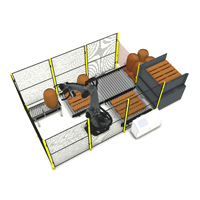 Barrel Palletiser
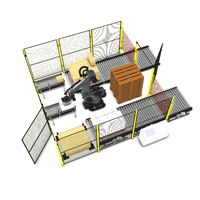 Box Palletiser
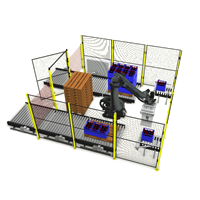 Crate Palletiser
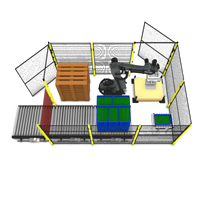 Tray Palletiser