Running a small-to-medium factory is like conducting a symphony: every component, from machinery to manpower, needs to work in harmony. One of the most crucial metrics that can help you orchestrate this smoothly is knowing your labour efficiency. It not only tells you how well your team is performing but also highlights areas where time, resources, and processes can be optimised. Understanding this metric can be the difference between steady growth and unnecessary operational costs.
What is Labour Efficiency?
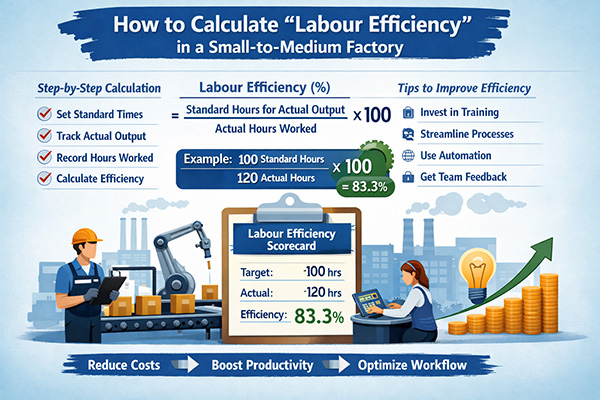
Labour efficiency measures the effectiveness of your workforce in producing the expected output within a given timeframe. Essentially, it compares the work done against the time that should have been required to complete the work.
A high labour efficiency indicates that your team is meeting or exceeding standards, while low efficiency points to bottlenecks, skill gaps, or workflow challenges. It’s a simple concept but incredibly powerful for guiding decisions around staffing, training, and process improvement.
The standard formula for calculating labour efficiency is:

Where:
- Standard Hours for Actual Output: The hours that should have been spent producing the actual number of units, based on established benchmarks or time studies.
- Actual Hours Worked: The total hours your team actually spent producing those units, including overtime if relevant.
Example: Suppose your factory is expected to produce 500 units in 100 hours. If your team actually takes 120 hours to produce the same output, the labour efficiency would be:
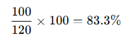
This means there’s a 16.7% gap between expected and actual performance—an opportunity to investigate and improve.
Step-by-Step Guide to Calculating Labour Efficiency
- Set Clear Standard Times
Start by establishing realistic benchmarks for each product. These can come from historical data, industry standards, or direct time studies on the production floor. Precision here is key: if your standard times are off, the efficiency metric loses its meaning. - Accurately Track Actual Output
Record the exact number of units produced within a specific period. Consistency in data collection ensures that your efficiency calculations reflect reality. - Record Actual Hours Worked
Total all hours spent producing the output. Include regular work hours, overtime, and any downtime or breaks that affect production. - Calculate Labour Efficiency
Use the formula above to determine efficiency as a percentage. This gives a quick snapshot of performance relative to expectations. - Analyse and Interpret Results
Efficiency above 100% may indicate exceptional performance—or that your standard times are set too low. Efficiency below 100% highlights inefficiencies and provides actionable insight for improvement.
Practical Tips to Boost Labour Efficiency
- Invest in Workforce Training: Even minor skill gaps can slow production. Regular workshops, cross-training, and refreshers ensure employees work efficiently and confidently.
- Streamline Workflow: Map your production process, identify bottlenecks, and remove redundant steps. Sometimes, a small tweak in layout or sequence can dramatically improve efficiency.
- Leverage Automation: Machines and software can handle repetitive tasks more consistently than manual labour, freeing up staff for more value-added work.
- Monitor Regularly: Make efficiency tracking a continuous process rather than a one-off exercise. Weekly or monthly tracking reveals trends and helps anticipate problems before they escalate.
- Encourage Feedback: Your team often knows where the friction points are. Open communication can uncover inefficiencies that aren’t obvious from data alone.
Why Labour Efficiency Matters for Small-to-Medium Factories
Labour is often one of the largest operating costs in a factory. Even small inefficiencies can compound into significant losses over time. Calculating labour efficiency provides actionable insights, allowing you to:
- Optimise staffing levels
- Reduce unnecessary overtime
- Pinpoint training needs
- Improve workflow and process design
In short, it equips you with the knowledge to make smarter decisions that increase output without necessarily increasing costs. By understanding and actively managing labour efficiency, your factory can achieve smoother operations, happier employees, and a stronger bottom line.
If you’d to discuss your requirements for palletising solutions, feel free to contact us on 01223 499488 or helpline@granta-automation.co.uk and we will be happy to help.
Watch automation videos…

Find out more…
- Is Your Warehouse Slowing Down? How to Spot Hidden Bottlenecks in Packing and Shipping
- The Granta Advantage: KUKA Platinum Status + Patented Software = Smarter Automated Palletising
- Why Granta Palletisers are the Preferred Choice for Contract Packers
- 5 Ways Automation Can Solve the UK’s Manufacturing Labour Shortage
- The Compact Palletiser: Big Performance in a Small Footprint
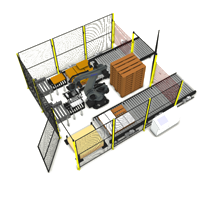 Bag Palletiser
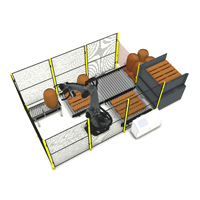 Barrel Palletiser
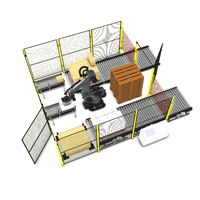 Box Palletiser
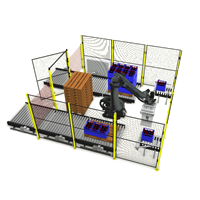 Crate Palletiser
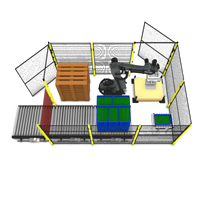 Tray Palletiser